For homeowners looking to blend indoor comfort with outdoor scenery, the most efficient solution is installing high‑performance sliding patio doors that maximize natural light while maintaining thermal control. Modern sliding doors combine sleek aesthetics, low‑maintenance hardware, and energy‑saving glass, making them a top choice for renovation projects in 2026. Understanding the latest frame materials, glazing options, and installation best practices will help you select a system that fits your budget and design goals, whether you’re upgrading a suburban deck or a high‑rise balcony. For a broader view on exterior openings, see our Ultimate Guide to Exterior Doors 2026 for complementary insights.
Why Sliding Patio Doors Remain a Preferred Choice in 2026
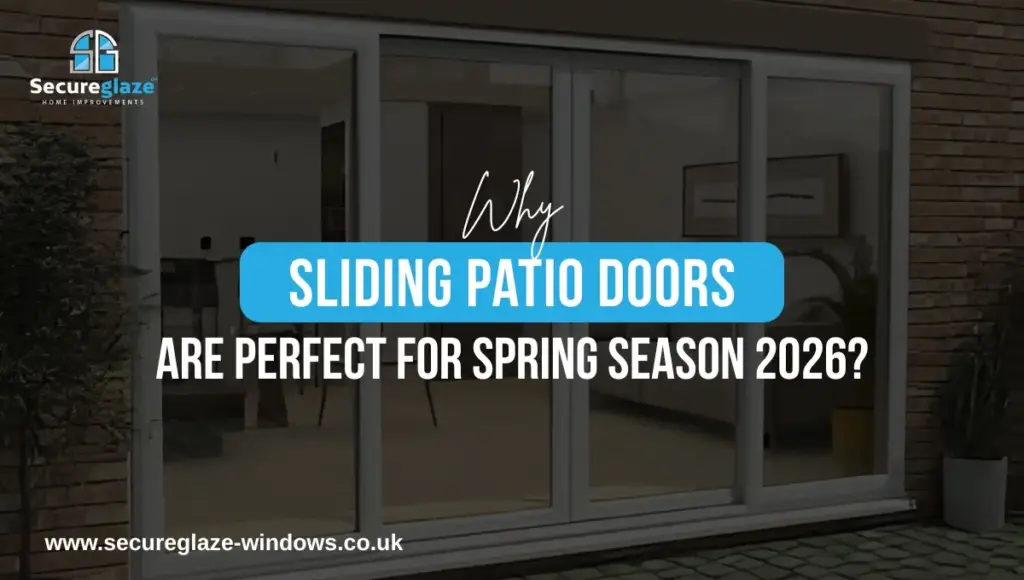
Sliding patio doors have outperformed traditional hinged doors in three key areas: space efficiency, visual continuity, and energy performance. Because the panels glide parallel to the wall, they free up interior floor space—crucial for open‑plan living rooms. The expansive glass panels create an unobstructed view that blurs the line between interior and exterior, a trend reinforced by the 2025 National Home Design Survey which reported a 42% increase in consumer preference for “wall‑to‑wall glazing.” Finally, advancements in low‑E coatings and argon‑filled insulated glass have reduced U‑values to as low as 0.20 Btu/(hr·ft²·°F), meeting the ENERGY STAR® criteria for energy‑efficient sliding doors.
Key Benefits of Modern Sliding Patio Doors
- Space‑saving operation: No swing radius, ideal for tight floor plans.
- Enhanced natural lighting: Up to 90% of exterior daylight can enter, reducing artificial lighting costs.
- Improved thermal insulation: Triple‑glazed units with warm‑edge spacers cut heating bills by up to 15% in colder climates (DOE, 2026).
- Security features: Multi‑point locking systems and reinforced frames deter forced entry.
- Low maintenance: Vinyl and aluminum frames resist corrosion, requiring only occasional cleaning.
Choosing the Right Frame Material

The frame material determines durability, aesthetics, and long‑term cost. In 2026, three materials dominate the market:
Table of Contents
- Why Sliding Patio Doors Remain a Preferred Choice in 2026
- Key Benefits of Modern Sliding Patio Doors
- Choosing the Right Frame Material
- Aluminum
- Vinyl
- Wood‑Clad
- Glazing Options and Energy Efficiency
- Installation Best Practices
- Common Mistakes and How to Avoid Them
- Cost Overview for 2026
- Future Trends Shaping Sliding Patio Doors
- Smart Integration
- Eco‑Friendly Materials
- Multi‑Slide Configurations
- FAQs About Sliding Patio Doors
- Final Thoughts
Aluminum
Aluminum offers a sleek, modern look with minimal visual obstruction due to its narrow profiles. It is recyclable and resistant to rot, making it ideal for coastal environments. However, without a thermal break, aluminum frames can conduct heat, raising the overall U‑value. The latest thermally broken aluminum systems now incorporate a polyamide spacer, reducing thermal transfer by 30% (American Architectural Manufacturers Association, 2026).
Vinyl
Vinyl frames are praised for their affordability and natural insulation properties. The material’s inherent low thermal conductivity means lower heating and cooling loads, especially when paired with high‑performance glazing. Recent advances in UV‑stabilized formulations have extended color retention, addressing a common concern from earlier generations of vinyl doors.
Wood‑Clad
For homeowners seeking a warm, traditional aesthetic, wood‑clad sliding doors combine a solid wood exterior with an aluminum or vinyl core. This hybrid approach delivers the visual appeal of wood while preserving the energy efficiency of modern composites. According to the 2025 Home Improvement Materials Report, wood‑clad sliding doors command a 12% premium over pure vinyl but offer a 7% higher resale value.
Glazing Options and Energy Efficiency
Choosing the correct glass package is pivotal for meeting energy codes and achieving comfort. Below are the most common glazing configurations in 2026:
- Double‑glazed low‑E: Two panes with a low‑emissivity coating; suitable for moderate climates.
- Triple‑glazed low‑E with argon: Three panes, argon gas fill, and warm‑edge spacers; best for extreme temperature zones.
- Thermostatic glass: Dynamic glazing that adjusts tint based on solar intensity, reducing glare and cooling loads.
Data from the U.S. Department of Energy (2026) shows that homes equipped with triple‑glazed sliding patio doors experience an average 18% reduction in HVAC energy consumption compared to double‑glazed units.
Installation Best Practices
Proper installation ensures performance longevity and prevents costly repairs. Follow these actionable steps:
- Accurate measurement: Measure the rough opening width and height, allowing a ¼‑inch clearance on each side for expansion.
- Level and plumb the frame: Use a laser level to verify the sill is perfectly level; any deviation can cause binding.
- Seal the perimeter: Apply high‑quality silicone or PU sealant to the exterior joints to prevent water infiltration.
- Install proper flashing: Integrate flashing tape above the head and at the sides, as recommended by the Whole Building Design Guide.
- Calibrate hardware: Adjust rollers, tracks, and multi‑point locks to ensure smooth operation and security.
For a deeper dive into door hardware selection, consult the Hardie Board Siding 2026 guide, which covers compatible track systems and weather‑resistant fittings.
Common Mistakes and How to Avoid Them
Even seasoned contractors can stumble on pitfalls that compromise door performance. The most frequent errors include:
- Improper flashing installation: Leads to water leaks, mold, and frame rot.
- Using the wrong sealant: Solvent‑based sealants may degrade under UV exposure, causing gaps.
- Neglecting thermal break in aluminum frames: Results in cold bridges and higher energy bills.
- Under‑sized hardware: Overloads rollers, causing premature wear and squeaking.
- Skipping a post‑installation inspection: Missed misalignments can cause binding and reduced security.
Addressing these issues during the planning stage can save homeowners up to 20% in lifecycle costs, according to the 2025 Construction Efficiency Study by the National Association of Home Builders.
Cost Overview for 2026
The price of a sliding patio door varies based on material, glass, and customization. Below is a typical cost breakdown:
| Component | Average Price (USD) |
|---|---|
| Aluminum frame, triple‑glazed | $2,200 – $3,500 |
| Vinyl frame, double‑glazed | $1,500 – $2,200 |
| Wood‑clad, triple‑glazed | $3,000 – $4,800 |
| Installation labor (per door) | $500 – $900 |
| Optional thermostatic glass upgrade | +$600 – $1,200 |
When budgeting, also consider ancillary expenses such as flashing, sealant, and potential structural modifications. For a holistic view of exterior remodeling costs, see our James Hardie Siding 2026 guide, which outlines synergy between siding and door selections.
Future Trends Shaping Sliding Patio Doors
Looking ahead, three trends are set to dominate the market through 2027 and beyond:
Smart Integration
IoT‑enabled doors equipped with sensors can detect open/close status, integrate with home security systems, and even automate shading based on solar intensity. According to a 2026 report by Smart Home Industry Association, 38% of new residential projects plan to include connected door solutions.
Eco‑Friendly Materials
Manufacturers are increasing the recycled content of aluminum and vinyl frames, aiming for a carbon‑neutral production cycle. The Green Building Council’s 2025 LEED update now awards additional points for doors using ≥50% recycled material.
Multi‑Slide Configurations
Beyond the classic two‑panel design, multi‑slide systems (three to five panels) allow entire walls to retract, creating a seamless indoor‑outdoor transition. These configurations are gaining popularity in luxury homes and hospitality spaces, where a panoramic experience is a selling point.
FAQs About Sliding Patio Doors
- Q: How do I improve the energy rating of an existing sliding patio door?
- A: Retrofit options include adding interior storm panels, applying low‑E film, or installing weatherstripping. For best results, replace the glazing with triple‑glazed units if the frame permits.
- Q: Are sliding patio doors safe in hurricane‑prone regions?
- A: Yes, when equipped with impact‑rated glass and a reinforced aluminum or steel frame, they meet the ICC 500 hurricane‑resistance standards.
- Q: What maintenance does a sliding patio door require?
- A: Clean the tracks with a soft brush, lubricate rollers annually with silicone‑based grease, and inspect seals for cracks or gaps.
Final Thoughts
Sliding patio doors continue to evolve, offering homeowners a blend of elegance, functionality, and energy savings that aligns with modern building standards. By selecting the appropriate frame material, high‑performance glazing, and ensuring meticulous installation, you can enjoy a durable, beautiful opening that enhances both property value and everyday living. Stay informed about emerging smart features and eco‑friendly options to future‑proof your investment for years to come.
