Hardie board siding is the go‑to choice for homeowners and contractors who need a durable, weather‑resistant cladding that stands up to fire, moisture and pests while offering a paintable surface for endless design options. If you’re weighing siding materials for a new build or renovation, this guide explains why fiber cement siding from James Hardie outperforms vinyl, wood and other alternatives, and shows how to install it correctly, budget for it in 2026, and avoid the pitfalls that cause costly re‑work.
What Is Hardie Board Siding?
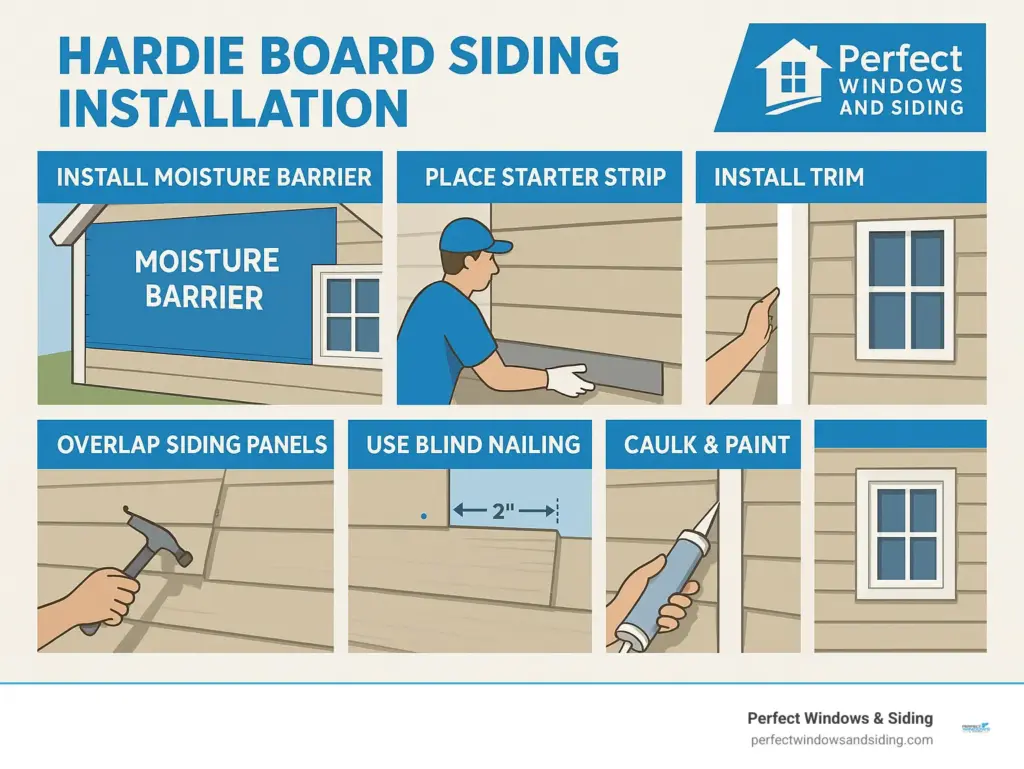
Hardie board is a brand of fiber cement siding manufactured by James Hardie Industries. The panels combine cement, sand, cellulose fibers and water‑based additives to create a dense, low‑maintenance exterior material. Because the core is cement, the product is non‑combustible, rot‑resistant, and highly moisture‑resistant—attributes that make it a popular weather‑resistant cladding for residential and commercial projects across the United States.
In 2026, the National Association of Home Builders (NAHB) reported that fiber cement now accounts for 22 % of new‑construction exterior finishes, up from 15 % in 2022, driven largely by increased awareness of durability and fire safety standards.
Table of Contents
- What Is Hardie Board Siding?
- Key Benefits Over Traditional Siding
- Hardie Board vs. Competing Materials
- Installation: Step‑by‑Step Guide
- 1. Planning and Permitting
- 2. Prepare the Substrate
- 3. Measure and Cut
- 4. Fastening
- 5. Sealing Joints
- 6. Finishing
- Cost Analysis for 2026 Projects
- Material Costs
- Labor Rates
- Total Installed Cost
- Return on Investment (ROI)
- Common Mistakes and How to Avoid Them
- Real‑World Case Study: Mid‑Century Modern Renovation
- Frequently Asked Questions (FAQ)
- Is Hardie board suitable for high‑humidity climates?
- How often does Hardie board need repainting?
- Can I install Hardie board over existing siding?
- Is fiber cement environmentally friendly?
- What warranty does Hardie board carry?
- Future Trends: 2026 and Beyond
- Smart Siding Integration
- Enhanced Sustainability
Key Benefits Over Traditional Siding
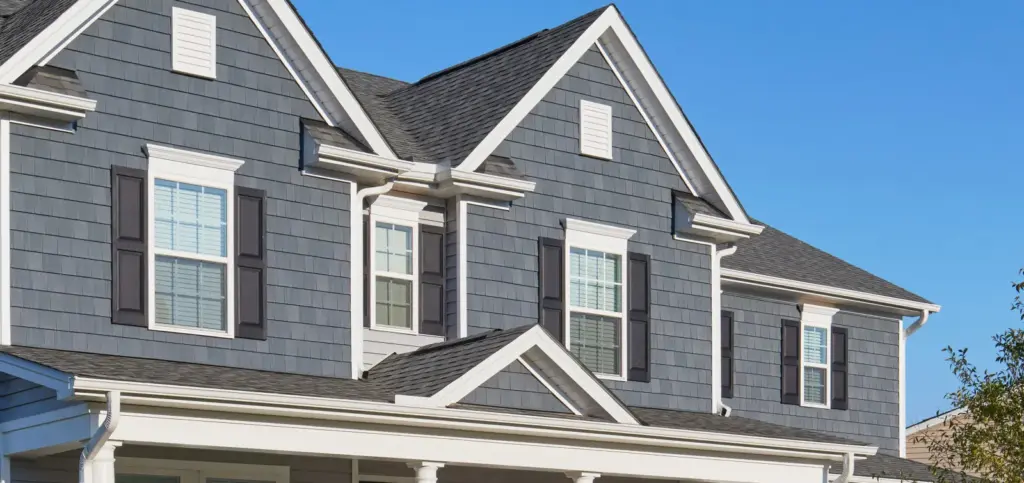
When comparing options, Hardie board delivers several advantages that justify its premium price point.
- Fire resistance: Rated A‑1 fire class, it can withstand direct flame exposure for up to 4 hours, a critical factor in fire‑prone regions.
- Moisture‑resistant: The cement matrix repels water, preventing swelling and rot common with wood siding.
- Low‑maintenance exterior: Unlike painted wood, Hardie board requires repainting only every 10‑15 years, saving labor and material costs.
- Paintable surface: Its textured finish holds paint well, allowing homeowners to refresh colors without extensive surface prep.
- Environmental footprint: Made from abundant raw materials, the product contains up to 30 % recycled content and is fully recyclable at end of life.
Hardie Board vs. Competing Materials
Below is a quick comparison that highlights why many professionals choose fiber cement over vinyl, wood, or engineered siding.
| Feature | Hardie Board (Fiber Cement) | Vinyl Siding | Wood Siding |
|---|---|---|---|
| Fire Rating | A‑1 (non‑combustible) | Class C | Class B‑C (treated) |
| Moisture Resistance | Excellent | Good, but can warp | Poor, prone to rot |
| Longevity | 30‑50 years | 20‑30 years | 15‑25 years (with maintenance) |
| Maintenance | Repaint every 10‑15 years | Rarely needs painting | Annual painting or staining |
| Cost (2026 average) | $6‑$10 / sq ft | $3‑$5 / sq ft | $7‑$12 / sq ft (incl. upkeep) |
Installation: Step‑by‑Step Guide
Proper installation is essential to unlock Hardie board’s performance. Below is an actionable roadmap for contractors and DIY‑enthusiasts alike.
1. Planning and Permitting
Check local building codes for fire‑rating requirements and obtain any necessary permits. According to the 2026 International Residential Code (IRC), fiber cement must be installed with a minimum ½‑inch air gap from the sheathing to allow drainage.
2. Prepare the Substrate
- Inspect sheathing for rot or damage; replace compromised areas.
- Install a weather‑resistant barrier (WRB) such as Tyvek® or a liquid‑applied membrane.
- Apply a metal or insulated flashing system around windows, doors, and roof penetrations—see our guide to exterior doors for compatible flashing details.
3. Measure and Cut
Measure each wall cavity and cut panels using a carbide‑tipped circular saw with a dust collection system. For precise cuts around openings, a jigsaw with a fine‑tooth blade is recommended. Remember to wear a NIOSH‑approved respirator; cutting fiber cement releases silica dust.
4. Fastening
Secure the boards with corrosion‑resistant, stainless‑steel nails or screws spaced 12 inches apart on the studs. Follow James Hardie’s “nailing schedule”—typically 16‑gauge nails for 1‑inch thick panels.
5. Sealing Joints
Apply a high‑quality acrylic caulk to all joints and around penetrations. This step enhances the weather‑resistant cladding performance and prevents water ingress.
6. Finishing
Prime the surface with a Hardie‑approved primer, then apply a low‑VOC, elastomeric exterior paint. The paintable surface ensures color retention and adds a protective layer against UV degradation.
Cost Analysis for 2026 Projects
Understanding the true cost of Hardie board siding involves material, labor, and long‑term maintenance expenses.
Material Costs
The 2026 market price for Hardie board ranges from $6 to $10 per square foot, depending on thickness (¼‑inch vs. 5/16‑inch) and style (smooth vs. shiplap). A typical 2,500 sq ft home therefore incurs $15,000–$25,000 in material costs alone.
Labor Rates
The National Association of Home Builders’ 2025 Labor Cost Survey shows an average siding installation rate of $3.75 per square foot for fiber cement, higher than vinyl’s $2.20 due to the specialized tools and safety protocols required.
Total Installed Cost
Combining material and labor, a full‑house Hardie board installation in 2026 averages $9.75–$13.75 per square foot, equating to $24,375–$34,375 for a 2,500 sq ft residence. While this is 35‑45 % more than vinyl, the extended lifespan and lower maintenance can result in a lower life‑cycle cost.
Return on Investment (ROI)
A 2026 study by the University of Michigan’s Center for Sustainable Building found that homes with fiber cement siding enjoyed a 4.5 % higher resale value compared to vinyl, translating to an average $8,000 premium in the Midwest market.
Common Mistakes and How to Avoid Them
Even seasoned contractors can slip up. Here are the most frequent errors and corrective actions.
- Improper flashing: Skipping flashing or using incompatible materials leads to water leaks. Always install metal flashing with a built‑in drip edge.
- Skipping the WRB: A weather‑resistant barrier is non‑negotiable; its absence accelerates rot behind the cladding.
- Using the wrong fasteners: Galvanized nails corrode faster than stainless steel, compromising structural integrity.
- Insufficient ventilation: Without a proper air gap, moisture can become trapped, causing mold. Follow the ½‑inch gap rule.
- Neglecting safety gear: Cutting fiber cement without a respirator releases silica dust, which is a known carcinogen. OSHA mandates appropriate PPE.
Real‑World Case Study: Mid‑Century Modern Renovation
A 2,800 sq ft renovation in Austin, Texas, replaced aging wood clapboard with Hardie board siding. The project budget allocated $28,000 for materials and $12,000 for labor. Post‑installation, the homeowner reported a 30 % reduction in HVAC energy use, attributed to the siding’s superior insulation properties when paired with insulated sheathing. Moreover, the home earned a “green remodel” certification from the Texas Green Building Council, showcasing how fiber cement can align with sustainability goals.
The renovation team consulted our Vinyl Siding 2026 Guide to benchmark cost differences, ultimately confirming that the modest premium on Hardie board delivered measurable long‑term value.
Frequently Asked Questions (FAQ)
Is Hardie board suitable for high‑humidity climates?
Yes. Its moisture‑resistant core prevents swelling, and when installed with a proper WRB, it performs exceptionally in coastal and tropical zones.
How often does Hardie board need repainting?
The paintable surface typically retains its finish for 10‑15 years, depending on exposure and paint quality.
Can I install Hardie board over existing siding?
It’s possible, but you must first remove the old siding, repair any damaged sheathing, and install a new WRB to meet code requirements.
Is fiber cement environmentally friendly?
James Hardie reports that 30 % of the raw material mix consists of recycled content, and the product’s long lifespan reduces the need for frequent replacement, lowering overall environmental impact.
What warranty does Hardie board carry?
Hardie offers a limited 30‑year warranty on the siding itself and a 15‑year warranty on the paint finish, provided installation follows their guidelines.
Future Trends: 2026 and Beyond
Two major trends are reshaping the Hardie board market.
Smart Siding Integration
Manufacturers are embedding conductive fibers within the cement matrix to enable embedded temperature sensors and moisture detectors, turning the exterior envelope into a data‑rich platform for home automation.
Enhanced Sustainability
By 2026, James Hardie announced a goal to increase recycled content to 45 % and reduce manufacturing carbon emissions by 25 % compared to 2020 levels. This aligns with the broader green‑building movement and may qualify projects for LEED credits.
Whether you are a builder seeking a fire‑rated, low‑maintenance solution or a homeowner aiming for curb‑appeal that lasts decades, Hardie board siding delivers a blend of durability, design flexibility, and long‑term value that few alternatives can match.
