Choosing the right siding for a house is the most effective way to boost curb appeal, improve energy efficiency, and protect the structure from weather‑related damage, all while staying within budget. Homeowners who research “siding for house” are usually looking for a material that balances durability, low maintenance, and aesthetic flexibility, and the market in 2026 offers several mature options that meet those criteria.
Understanding the Core Functions of Exterior Siding
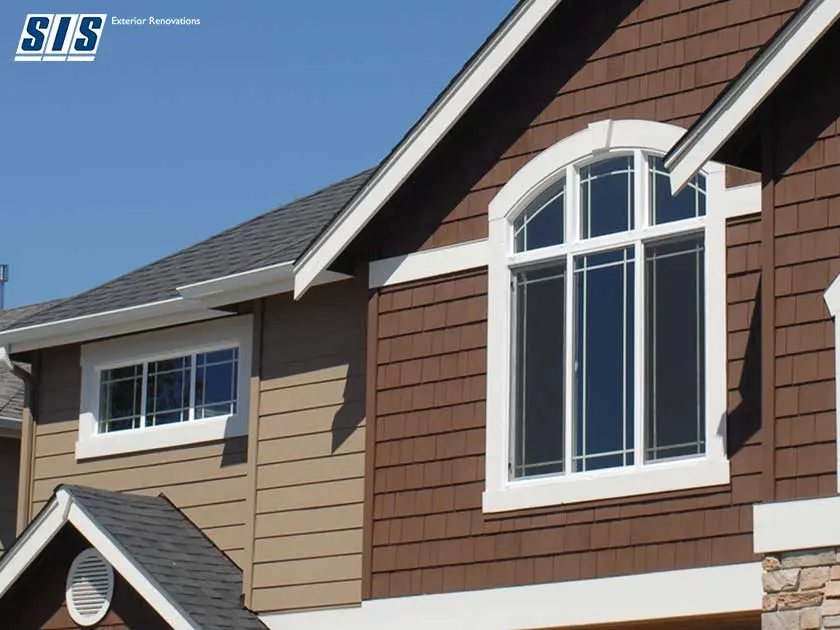
Before diving into specific products, it’s essential to recognize the three primary roles siding plays on a home:
- Weather barrier: Keeps rain, wind, and UV rays out while allowing moisture to escape, preventing rot and mold.
- Insulation aid: Works with wall insulation to enhance energy efficiency, reducing heating and cooling costs.
- Visual identity: Provides the first impression to visitors and can dramatically increase resale value.
When these functions align with a homeowner’s climate, budget, and style preferences, the siding selection process becomes much clearer.
Table of Contents
- Understanding the Core Functions of Exterior Siding
- Top Siding Materials in 2026: Benefits, Costs, and Trends
- Fiber Cement (James Hardie and Hardie Board)
- Vinyl Siding
- Engineered Wood Siding
- Metal Siding (Aluminum & Steel)
- Stucco and Synthetic Stucco
- Choosing the Right Siding for Your Climate
- Step‑by‑Step Guide to Installing New Siding
- 1. Assess Existing Sheathing and Insulation
- 2. Choose an Appropriate Weather‑Resistant Barrier (WRB)
- 3. Install Starter Strips and Flashing
- 4. Apply Siding Panels
- 5. Finish with Trim and Caulking
- 6. Inspect and Seal Penetrations
- Common Mistakes and How to Avoid Them
- Real‑World Case Study: A Mid‑Size Suburban Home Retrofit
- Future Outlook: Innovations Shaping Siding in the Late 2020s
- FAQ – Quick Answers to Common Questions
- Which siding material offers the best fire resistance?
- Can I install new siding over existing wood clapboard?
- How often should I repaint fiber‑cement siding?
- Is vinyl siding recyclable?
- Do I need a permit to replace siding?
- Final Thoughts: Aligning Material Choice with Long‑Term Goals
Top Siding Materials in 2026: Benefits, Costs, and Trends
Fiber Cement (James Hardie and Hardie Board)
Fiber cement continues to dominate the premium segment because it combines the look of wood with the resilience of masonry. According to the 2025 National Home Exteriors Survey by the National Association of Home Builders (NAHB), fiber‑cement siding accounted for 27% of new‑home installations, up from 22% in 2022.
Key advantages include:
- Excellent fire resistance (Class A rating).
- Low susceptibility to insect damage.
- Ability to mimic wood, stucco, or brick.
The James Hardie Siding 2026: The Ultimate Guide notes that the average installed cost ranges from $8 to $12 per square foot, which reflects both material price and the skilled labor required for cutting and fastening. Long‑term maintenance is minimal—periodic repainting every 10‑15 years keeps the surface fresh.
Vinyl Siding
Vinyl remains the most cost‑effective option for many homeowners, especially in regions where extreme weather is less of a concern. The 2026 Vinyl Siding Market Report by GlobalData projects a 4.5% CAGR through 2030, driven by improved UV‑stabilized formulations that resist fading.
Benefits of modern vinyl include:
- Lightweight panels that reduce structural load.
- Factory‑pre‑painted colors that eliminate on‑site painting.
- Built‑in insulation cores (R‑value 2.5–3.5) that contribute to overall home energy performance.
Installation costs average $3 to $5 per square foot, making vinyl an attractive entry point for budget‑conscious projects. For a detailed cost breakdown and emerging innovations, see the Vinyl Siding 2026 Guide.
Engineered Wood Siding
Engineered wood blends natural timber fibers with resin binders, offering the aesthetic warmth of wood without the high maintenance. A 2025 study by the University of Wisconsin‑Madison’s Department of Forest Resources reported a 30% reduction in water absorption compared to traditional clapboard, extending the material’s lifespan to 25–30 years when properly sealed.
Typical price points sit between $5 and $7 per square foot, and the material is compatible with most existing sheathing systems. However, it is not recommended for coastal zones with high salt exposure, as the resin can degrade over time.
Metal Siding (Aluminum & Steel)
Metal siding has seen a resurgence thanks to advances in coating technology. The 2026 Metal Cladding Outlook from the Steel Manufacturers Association indicates that zinc‑galvanized and pre‑finished steel now offer a 50‑year warranty against rust.
Advantages include:
- High impact resistance—ideal for regions prone to hail.
- Recyclability (up to 90% of material can be reclaimed).
- Compatibility with standing‑seam designs that double as rain‑screens.
Installation costs are higher, averaging $9 to $14 per square foot, reflecting the need for specialized fasteners and under‑layment. For homeowners seeking a contemporary industrial look, metal siding pairs well with large sliding patio doors, a topic explored in the Sliding Patio Doors 2026: Ultimate Guide.
Stucco and Synthetic Stucco
Traditional stucco remains popular in the Southwest, while synthetic variants—often acrylic‑based—have expanded its use nationwide. According to the 2025 Building Envelope Performance Report by the Building Performance Institute, homes with stucco exhibit an average 12% reduction in heating loads thanks to its high thermal mass.
Installation involves multiple layers (scratch coat, brown coat, finish coat) and requires skilled masons. Costs hover around $6 to $9 per square foot, with long‑term durability when properly maintained.
Choosing the Right Siding for Your Climate
Geography dictates many material decisions. Below is a quick climate‑based guide:
| Climate Zone | Best‑Fit Materials | Why |
|---|---|---|
| Hot & Dry (e.g., Arizona) | Stucco, Fiber Cement | Reflects heat, resists cracking. |
| Cold & Snowy (e.g., Minnesota) | Vinyl with insulated core, Metal | Low moisture absorption, high durability. |
| Coastal (e.g., Florida) | Fiber Cement, Aluminum | Resistant to salt corrosion and rot. |
| Mixed (e.g., Pacific Northwest) | Engineered Wood, Fiber Cement | Balances moisture tolerance with aesthetic. |
Integrating siding choice with other envelope components—such as high‑performance exterior doors—creates a cohesive barrier. The Exterior Doors 2026: Ultimate Guide outlines how low‑U‑value doors complement insulated siding to achieve net‑zero targets.
Step‑by‑Step Guide to Installing New Siding
1. Assess Existing Sheathing and Insulation
Begin with a thorough inspection of the wall sheathing. Replace any water‑damaged plywood or OSB before proceeding. In 2025, the Department of Housing and Urban Development (HUD) recommended an R‑value of 13–15 for exterior walls in most U.S. climates; many modern siding systems incorporate insulated backings that help meet this benchmark.
2. Choose an Appropriate Weather‑Resistant Barrier (WRB)
Even with a high‑quality siding, a WRB such as a self‑adhesive house wrap (e.g., Tyvek) is essential. A 2026 study by the Building Science Corporation found that homes with a properly installed WRB experienced a 22% reduction in interior humidity spikes.
3. Install Starter Strips and Flashing
Starter strips provide a level base for the first course, while flashing around windows, doors, and rooflines prevents water infiltration. Metal flashing should be compatible with the chosen siding material to avoid galvanic corrosion.
4. Apply Siding Panels
Follow manufacturer‑specified nail spacing—typically 16 inches on center for vinyl and 24 inches for fiber cement. Use corrosion‑resistant fasteners for metal applications. Overlap joints according to the product’s design to maintain a continuous rain‑screen.
5. Finish with Trim and Caulking
Trim pieces (corner boards, soffit, and fascia) complete the envelope’s aesthetic and functional integrity. Use a high‑performance, paint‑compatible sealant such as silicone‑acrylic blends to accommodate thermal movement.
6. Inspect and Seal Penetrations
All utility penetrations—electrical, plumbing, HVAC—must be sealed with fire‑rated caulk where required by local building codes.
Common Mistakes and How to Avoid Them
- Skipping the WRB: Even the most water‑resistant siding can fail if moisture seeps behind the panels.
- Improper nail depth: Over‑driving nails can crush the siding’s face, while under‑driving reduces wind resistance.
- Neglecting expansion gaps: Materials like vinyl expand up to 1/4 inch in heat; failure to leave proper spacing leads to buckling.
- Choosing the wrong color for climate: Dark colors absorb heat, increasing cooling loads in hot regions.
- Underestimating sub‑frame repairs: Hidden rot or rot‑prone framing can undermine the whole installation.
Real‑World Case Study: A Mid‑Size Suburban Home Retrofit
In 2025, a 2,300‑sq‑ft home in Denver underwent a full siding upgrade to improve energy performance. The owner selected fiber‑cement siding from James Hardie for its fire rating and aesthetic match to neighboring historic homes. An insulated vinyl backer board was added to achieve an overall wall R‑value of 20, surpassing the 2025 International Energy Conservation Code (IECC) requirement of 19 for Zone 4.
Results after one year, measured by the Home Energy Rating System (HERS), showed a 15% reduction in heating bills and a 9% decrease in cooling costs. The project also increased the property’s resale value by an estimated $12,500, according to a 2026 Zillow market analysis.
Future Outlook: Innovations Shaping Siding in the Late 2020s
Several emerging technologies will likely reshape the siding market:
- Smart Siding: Integrated sensors that monitor moisture levels and temperature, transmitting data to homeowners via smartphone apps.
- Recycled Content Panels: Companies like GreenBuild are introducing fiber‑cement products made from 70% post‑consumer waste, aligning with LEED v4.1 credits.
- Photovoltaic Siding: Early prototypes embed thin‑film solar cells into metal panels, offering up to 10% of a home’s electricity demand without additional rooftop equipment.
While these innovations are still in pilot phases, early adopters may gain a competitive edge in both energy savings and market perception.
FAQ – Quick Answers to Common Questions
Which siding material offers the best fire resistance?
Fiber cement and non‑combustible metal siding provide the highest fire ratings (Class A). Vinyl can be treated with fire‑retardant additives but still lags behind.
Can I install new siding over existing wood clapboard?
Yes, provided the existing surface is sound, flat, and properly sealed. Adding rigid foam insulation underneath can improve thermal performance.
How often should I repaint fiber‑cement siding?
Typically every 10–15 years, depending on exposure and paint quality. Use a 100% acrylic exterior paint for best results.
Is vinyl siding recyclable?
Most modern vinyl siding is recyclable, but local recycling programs vary. Check with municipal waste services for specific guidelines.
Do I need a permit to replace siding?
Permit requirements differ by jurisdiction. Many cities require a building permit for structural changes, especially when adding insulation or altering flashing.
Final Thoughts: Aligning Material Choice with Long‑Term Goals
Choosing siding for a house is not merely an aesthetic decision; it’s a strategic investment in durability, energy efficiency, and property value. By evaluating climate demands, budget constraints, and desired maintenance levels, homeowners can pinpoint the material that best meets their goals. Whether opting for the timeless resilience of fiber cement, the affordability of vinyl, or the sleek modernity of metal, a well‑executed installation—paired with quality doors and flashing—creates an envelope that protects and showcases a home for decades to come.
Ready to start your siding project? Review the latest product specifications, obtain multiple contractor quotes, and consider integrating smart‑sensing technology to future‑proof your investment.
