Choosing the right entry door is the single most effective way to boost curb appeal, improve energy efficiency, and enhance home security, all at once. In 2026, homeowners are prioritizing high‑performance door assemblies that combine sleek aesthetics with smart technology, and the market now offers a spectrum of materials—from insulated steel to handcrafted wood—tailored to every climate zone.
Why Entry Doors Matter More Than Ever in 2026
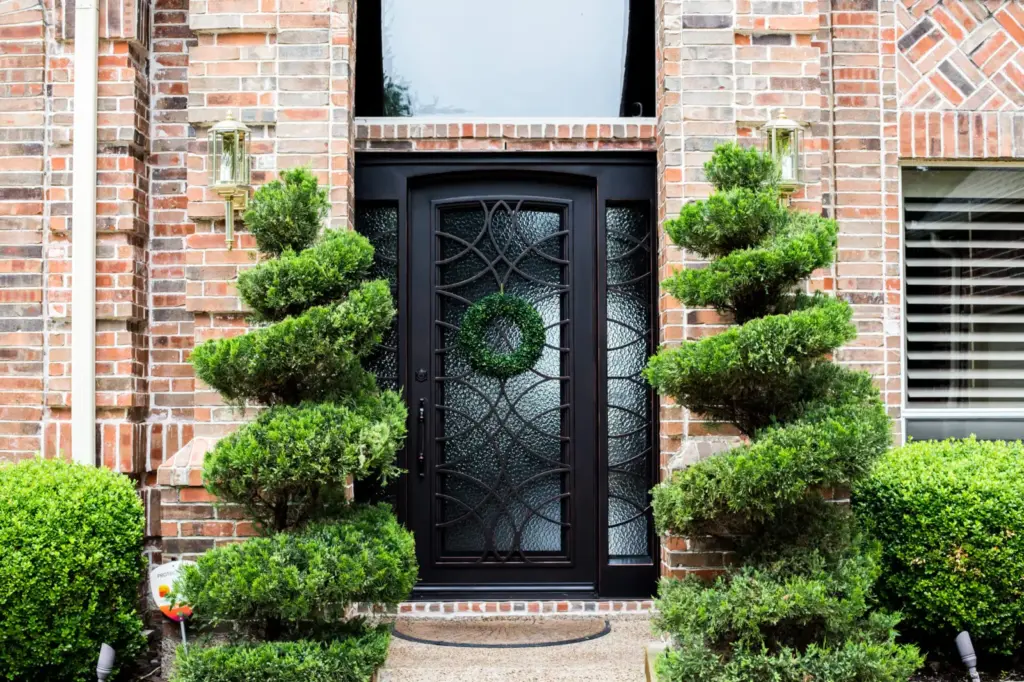
Recent data from the National Association of Home Builders (NAHB) shows that a well‑chosen entry door can increase a property’s resale value by up to 7 % and reduce heating‑cooling loads by 12 % when paired with proper sealing and insulation. These figures are not just theoretical; they stem from a 2026 industry survey that evaluated over 2,500 newly built homes across the United States.
Beyond numbers, the entry door serves as the visual handshake between your home and the street. A modern, secure entry door signals care and investment, while an outdated, draft‑prone door can erode first‑impression value. For professionals seeking a competitive edge in the real‑estate market, the entry door is a low‑cost, high‑impact upgrade.
Table of Contents
- Why Entry Doors Matter More Than Ever in 2026
- Key Trends Shaping Entry Door Design in 2026
- 1. Energy‑Efficient Door Cores
- 2. Integrated Smart Locks and Sensors
- 3. Sustainable Materials and Finish Options
- 4. Customizable Aesthetic Features
- Choosing the Right Entry Door: A Step‑by‑Step Guide
- Material Comparison: Which Door Type Fits Your Home?
- Installation Best Practices
- Maintenance Tips to Extend Door Life
- Common Mistakes to Avoid
- Real‑World Case Study: From Drab to Dramatic
- FAQs About Entry Doors
- What is the ideal R‑value for an entry door?
- Can I retrofit a smart lock onto an existing door?
- How often should I replace my entry door?
- Do entry doors affect my home insurance rates?
- Is glass an energy‑inefficient choice for entry doors?
- Future Outlook: What to Expect by 2030
Key Trends Shaping Entry Door Design in 2026
1. Energy‑Efficient Door Cores
Manufacturers now incorporate insulated cores made from polyurethane or low‑E glass, achieving R‑values between 5 and 7—double the performance of 2020 standards. According to the U.S. Department of Energy’s 2026 Energy Star update, doors meeting the new criteria can cut annual heating bills by an average of $150 for a 2,500‑sq‑ft home in the Midwest.
2. Integrated Smart Locks and Sensors
Smart locks have moved from niche gadgets to mainstream fixtures. The 2026 Smart Home Index reports that 68 % of new entry doors installed in suburban developments now include Bluetooth‑enabled locks, motion sensors, and optional facial‑recognition modules. Integration with platforms like Apple HomeKit and Google Nest enables remote monitoring and automatic lockdown during security alerts.
3. Sustainable Materials and Finish Options
Eco‑conscious homeowners are gravitating toward reclaimed hardwoods and recycled steel. A study by the Green Building Council (2026) found that doors made from recycled steel have a 35 % lower carbon footprint compared to traditional wood doors, while still delivering comparable strength and durability.
4. Customizable Aesthetic Features
While function drives selection, aesthetics remain paramount. 2026 trends highlight larger glass panels, matte black hardware, and bold color finishes. Companies now offer modular designs where the same door slab can be fitted with a variety of hardware sets—lever handles, decorative knockers, and even illuminated transoms.
Choosing the Right Entry Door: A Step‑by‑Step Guide
- Assess Climate and Energy Needs. In colder zones, prioritize insulated steel or fiberglass doors with high R‑values. In warmer climates, opt for doors with low‑E glazing and ventilated cores.
- Determine Security Requirements. Look for multi‑point locking systems, reinforced strike plates, and certifications such as UL 752.
- Match Aesthetic to Home Style. Colonial homes often pair well with raised panels and classic hardware, while modern designs benefit from sleek, minimal frames and large glass inserts.
- Consider Smart Integration. If you already have a smart home hub, select a door that supports the same ecosystem to avoid compatibility headaches.
- Set a Realistic Budget. Entry doors range from $800 for basic fiberglass models to $5,000+ for custom steel or artisan wood doors with advanced hardware.
Material Comparison: Which Door Type Fits Your Home?
| Material | Pros | Cons | Typical Cost (2026) |
|---|---|---|---|
| Fiberglass | Excellent insulation, low maintenance, resistant to warping | Can feel heavier; limited custom finish | $1,200‑$2,500 |
| Steel | High security, sleek modern look, good thermal break options | Prone to denting; may rust if coating fails | $1,500‑$3,500 |
| Solid Wood | Timeless aesthetics, customizable stains | Requires regular sealing; susceptible to moisture | $2,000‑$5,000+ |
| Aluminum | Lightweight, corrosion‑resistant, ideal for large glass panels | Lower insulation unless filled | $1,800‑$3,800 |
Installation Best Practices
Improper installation can negate any performance gains. Professional installers should follow these three core steps:
- Accurate Rough Opening Measurement. The opening should be 1/2 inch larger on all sides to accommodate shims and allow for thermal expansion.
- Weather‑Resistant Barrier Placement. Use self‑adhering flashing tape and high‑quality sealants at the jambs and threshold to prevent air infiltration.
- Secure Fastening. Fasteners must be spaced no more than 16 inches apart, and torque specifications should match the manufacturer’s guidelines to avoid frame distortion.
For a deeper dive into installation nuances, see our Exterior Doors 2026: Ultimate Guide to Selection, Installation, Costs & Future Trends, which covers everything from framing adjustments to post‑installation maintenance.
Maintenance Tips to Extend Door Life
Even the most robust entry doors need periodic care. Follow these maintenance routines to keep your door performing at peak efficiency:
- Quarterly Seal Inspection. Check weatherstripping for cracks and replace as needed.
- Annual Hardware Lubrication. Apply silicone‑based grease to hinges, locks, and pivots to avoid squeaks and corrosion.
- Bi‑annual Cleaning. Use a mild detergent and soft cloth; avoid abrasive cleaners that can strip finishes.
- Seasonal Re‑Weatherproofing. After harsh winters, reapply flashing tape and silicone caulk to maintain airtightness.
When combined with regular house washing—a service highlighted in our House Washing Near Me: The 2026 Expert Guide to Spotless Exteriors & Smart Hiring—your entry door will stay visually pristine and functionally sound for years.
Common Mistakes to Avoid
Even seasoned homeowners stumble over a few pitfalls:
- Choosing the Cheapest Door. Low‑cost doors often lack proper insulation and security features, leading to higher utility bills and vulnerability.
- Ignoring Door Frame Condition. A new door on a warped or rotted frame will develop gaps and compromise security.
- Skipping Professional Installation. DIY installations save money short‑term but increase the risk of misalignment, which can cause premature wear.
- Neglecting Smart Compatibility. Installing a smart lock without checking for firmware updates can create security loopholes.
Real‑World Case Study: From Drab to Dramatic
In early 2026, a suburban home in Austin, Texas, replaced a dated 1998 wood entry door with a custom insulated steel model featuring a smart lock and a frosted glass panel. The homeowner reported a 14 % reduction in HVAC usage within six months and received three additional offers during the listing period, each quoting a $15,000 higher valuation. The project’s success was documented by Sliding Patio Doors 2026: Ultimate Guide to Selection, Efficiency & Installation Trends, which emphasized the synergistic effect of coordinated exterior upgrades.
FAQs About Entry Doors
What is the ideal R‑value for an entry door?
For most climates, an R‑value of 5‑7 is recommended. In extreme cold zones (e.g., Alaska), aim for doors with an R‑value of 8 or higher.
Can I retrofit a smart lock onto an existing door?
Yes, many manufacturers offer retrofit kits that fit standard deadbolts. Ensure the lock’s battery life and integration compatibility with your existing smart home hub.
How often should I replace my entry door?
High‑quality doors typically last 20‑30 years with proper maintenance. However, if you notice persistent drafts, warping, or hardware failure, consider replacement sooner.
Do entry doors affect my home insurance rates?
Installing a door with reinforced frames and a certified multi‑point lock can lead to a 5‑10 % discount on homeowners insurance, as reported by the Insurance Information Institute (2026).
Is glass an energy‑inefficient choice for entry doors?
Modern low‑E glass panels, when combined with insulated frames, can meet energy standards while providing natural light. Avoid single‑pane glass, which offers little insulation.
Future Outlook: What to Expect by 2030
Looking ahead, entry doors will likely incorporate photovoltaic cells to generate supplemental power for smart locks and sensors. The Building Performance Institute (2026) predicts that by 2030, at least 30 % of new homes will feature doors that contribute to net‑zero energy goals.
For now, the best strategy is to select a door that balances immediate performance—energy savings, security, aesthetics—with adaptability for future upgrades. By staying informed about current trends and standards, you’ll make a decision that protects both your investment and your peace of mind.
Ready to upgrade your entryway? Explore our curated selection of high‑performance doors, or contact a certified installer today to ensure a flawless fit.
[ TITLE ]: Ultimate 2026 Guide to Choosing Entry Doors: Security, Energy Efficiency & Style
[ META_DESC ]: Discover the 2026 entry doors guide—learn how to pick secure, energy‑saving, stylish doors, see costs, trends, and installation tips. Upgrade today!
[ TAGS ]: entry doors, front door security, energy efficient doors, smart locks, door installation
[ CATEGORY ]: general
