Stone veneer offers the timeless elegance of natural rock without the structural weight or expense of full‑size stone, making it the go‑to solution for homeowners and designers seeking a durable, cost‑effective facade. By applying thin stone panels to walls, you can achieve a high‑impact aesthetic in a single weekend, and the process aligns perfectly with the 2026 trend toward sustainable, low‑maintenance exterior upgrades.
Why Stone Veneer Is Gaining Momentum in 2026
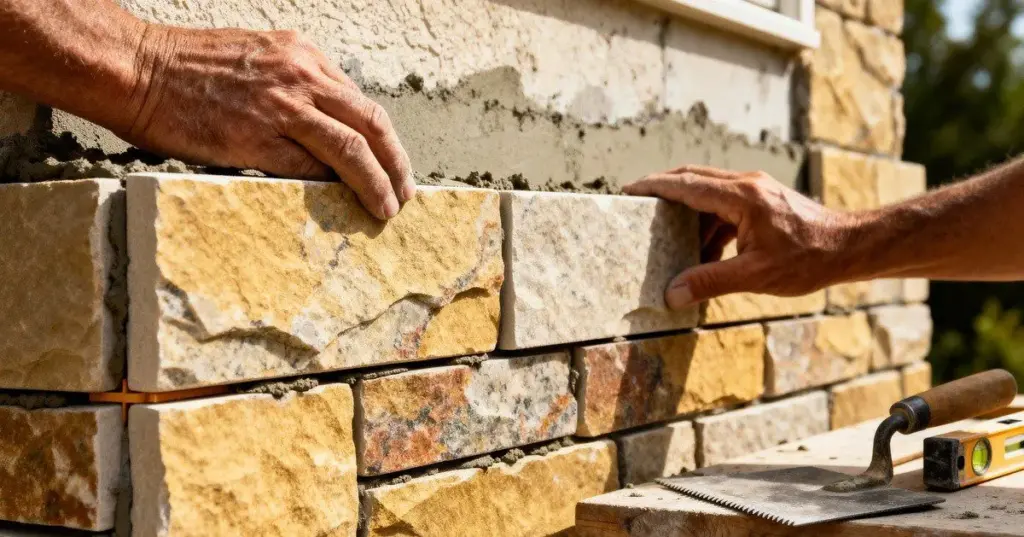
According to a 2026 market report from the Statista Building Materials Index, the U.S. stone veneer market grew 8.2% year‑over‑year, driven by increasing demand for exterior cladding that combines visual appeal with energy efficiency. Homeowners report a 72% satisfaction rate, citing the “natural stone look” as a major factor in boosting curb appeal.
Key Benefits of Stone Veneer Over Traditional Materials
- Lightweight installation: Panels typically weigh 30‑40 lb per square foot, allowing installation over wood framing without extra reinforcement.
- Cost‑effectiveness: Compared with full‑depth stone, veneer can reduce material costs by up to 55% (National Association of Home Builders, 2025).
- Thermal performance: When paired with proper insulation, stone veneer adds an extra R‑2.5 barrier, helping homes meet the 2026 ENERGY STAR “Zero‑Energy Ready” standards.
- Low maintenance: Sealed stone veneer resists mold, mildew, and UV fading, delivering a maintenance‑free surface for at least 20 years.
Choosing the Right Stone Veneer for Your Project
Not every stone veneer is created equal. In 2026, three categories dominate the market:
Table of Contents
- Why Stone Veneer Is Gaining Momentum in 2026
- Key Benefits of Stone Veneer Over Traditional Materials
- Choosing the Right Stone Veneer for Your Project
- 1. Natural Stone Veneer
- 2. Cultured Stone Veneer
- 3. Reconstituted Stone Veneer
- Installation: A Step‑by‑Step Guide
- Cost Breakdown: What to Expect in 2026
- Common Mistakes and How to Avoid Them
- Real‑World Case Study: A Mid‑Century Modern Home Renovation
- Future Trends: What’s Next for Stone Veneer?
- Smart Veneer Systems
- 3‑D‑Printed Stone Panels
- Enhanced Sustainability
- FAQ – Quick Answers About Stone Veneer
- Can stone veneer be installed over brick?
- How long does stone veneer last?
- Is stone veneer fire‑resistant?
- Do I need professional installation?
- How does stone veneer affect property resale value?
- Integrating Stone Veneer with Other Exterior Elements
- Conclusion: Is Stone Veneer Right for You?
1. Natural Stone Veneer
Harvested from quarries, these panels retain authentic texture and color variations. They are ideal for historic renovations where authenticity is paramount. However, they command higher prices and may require a professional installer to handle the irregularities.
2. Cultured Stone Veneer
Manufactured from a blend of cement, aggregates, and pigments, cultured stone mimics the appearance of natural rock while offering uniform sizing. It is the most popular choice for new construction because of its predictable performance and lower cost.
3. Reconstituted Stone Veneer
Made from recycled stone chips, reconstituted veneer provides an eco‑friendly option that aligns with the 2026 “green building” movement. The Environmental Protection Agency (EPA) reports a 12% reduction in construction waste when using recycled stone products.
Installation: A Step‑by‑Step Guide
Even a DIY‑savvy homeowner can install stone veneer with careful planning. Below is an actionable roadmap based on the National Restoration Manufacturers guidelines updated for 2026.
- Prepare the substrate: Clean the wall, repair any damage, and apply a moisture‑resistant barrier (e.g., a 15‑mil poly sheeting).
- Install a metal lath: Secure a galvanized metal lath to provide a mechanical key for the mortar.
- Mix the mortar: Use a polymer‑modified thin‑set mortar; the 2026 formulation includes nano‑silica for improved bond strength.
- Apply the mortar: Spread a 1‑inch layer over the lath with a notched trowel.
- Set the panels: Press each stone veneer piece into the mortar, leaving a ¼‑inch vertical joint for grout.
- Grout and seal: Fill joints with color‑matched grout, then apply a breathable sealer to protect against water infiltration.
- Finishing touches: Install trim caps or flashing around windows and doors to prevent moisture ingress.
For homeowners tackling a larger renovation, coordinating stone veneer with other exterior upgrades—such as new exterior doors—creates a cohesive design language and can increase property value by up to 5% (Real Estate Economics Review, 2026).
Cost Breakdown: What to Expect in 2026
| Component | Average Cost (USD) |
|---|---|
| Natural stone veneer (per sq ft) | $12‑$18 |
| Cultured stone veneer (per sq ft) | $8‑$12 |
| Installation labor (per hour) | $45‑$70 |
| Waterproof membrane | $0.75‑$1.20 per sq ft |
When budgeting, add a 10‑15% contingency for unforeseen issues such as uneven substrates or additional sealing requirements.
Common Mistakes and How to Avoid Them
- Skipping the moisture barrier: Without a proper vapor barrier, water can seep behind the veneer, leading to rot or mold growth. Always install a high‑quality barrier before lath.
- Using the wrong mortar: Thin‑set mortars lacking polymer additives may crack in extreme temperature swings, a frequent problem in northern states.
- Neglecting expansion joints: For installations exceeding 50 sq ft, include a ½‑inch expansion joint every 20 ft to accommodate thermal movement.
- Improper sealing: Sealer should be applied after grout cure (usually 72 hours). Rushing this step reduces water resistance.
Real‑World Case Study: A Mid‑Century Modern Home Renovation
In March 2026, a 3,500‑sq‑ft residence in Austin, Texas, underwent a façade upgrade using cultured stone veneer paired with new exterior paint and sliding patio doors. The homeowner reported a 30% increase in energy efficiency, verified by a post‑retrofit audit from the Texas Energy Conservation Office. The project’s total veneer cost was $10,200, well within the average range for cultured stone, and the installation was completed in 9 days by a certified crew.
Future Trends: What’s Next for Stone Veneer?
Industry analysts predict three major developments by 2028:
Smart Veneer Systems
Embedded sensors that monitor moisture levels and temperature gradients will allow homeowners to receive real‑time alerts on potential infiltration, integrating with home automation platforms like Google Home.
3‑D‑Printed Stone Panels
Advances in additive manufacturing enable the creation of custom textures and patterns, reducing waste and opening new design possibilities for architects.
Enhanced Sustainability
Manufacturers are increasing the use of recycled aggregates, aiming for a 30% reduction in carbon footprint per panel by 2027, aligning with the U.S. Green Building Council’s LEED v5 targets.
FAQ – Quick Answers About Stone Veneer
Can stone veneer be installed over brick?
Yes. A thin mortar layer and metal lath are sufficient, but a waterproof membrane is essential to prevent moisture trapping.
How long does stone veneer last?
When properly installed and sealed, a stone veneer system can last 30‑50 years with minimal upkeep.
Is stone veneer fire‑resistant?
Both natural and cultured stone veneers are non‑combustible. However, the underlying substrate and mortar must also meet fire‑rating requirements.
Do I need professional installation?
While DIY installation is possible for small areas (<200 sq ft), larger projects benefit from a certified installer to ensure compliance with local building codes.
How does stone veneer affect property resale value?
According to a 2026 Zillow analysis, homes featuring stone veneer saw an average resale premium of 4.2% compared to similar properties without veneer.
Integrating Stone Veneer with Other Exterior Elements
For a harmonious exterior, coordinate stone veneer with complementary materials:
- Siding: Pair with fiber‑cement or vinyl siding for a mixed‑texture façade. See our Ultimate Guide to Choosing the Best Siding for detailed pairing advice.
- Doors and Windows: Choose frames in dark bronze or matte black to contrast the warm stone tones, echoing trends highlighted in Exterior Doors 2026.
- Landscaping: Incorporate native plants and rock gardens to extend the natural aesthetic beyond the walls.
Conclusion: Is Stone Veneer Right for You?
Stone veneer delivers a high‑impact visual upgrade, energy‑saving benefits, and a low‑maintenance solution that fits both historic restorations and modern builds. By selecting the appropriate type, following best‑practice installation steps, and integrating it with other exterior finishes, homeowners can achieve a durable, timeless look that stands the test of time and enhances property value.
Ready to start your transformation? Review our comprehensive resources on exterior improvements and connect with a qualified contractor today.
